

You might have heard before that “the world runs on money.” But really? The world runs on credit.
Americans are carrying $18.8 trillion in household debt, and $1.26 trillion of that sits on credit cards, according to the Federal Reserve Bank of New York.
With credit playing such a big role in our financial lives, your credit score is a very significant number. It can impact everything from where you live to what you drive to how much you owe the utility companies.
Yet, for many, those three little digits are an enigma. So if you’re one of the many people wondering about the real benefits of having good credit, you’ve come to the right place.
Sure, KashKick pays real money when you play games, take surveys and claim deals. But what you might not realize is we’re deeply committed to helping our members improve all aspects of their financial lives. In fact, you can earn free cash when you use apps to help build your credit! Not yet a member? You can sign up for free.
So let’s dig in and find out exactly how credit scores work, where they come from and how you can whip yours into shape—no matter where you’re starting from.
Key Takeaways
- Good credit can save you thousands by helping you qualify for lower interest rates on mortgages, auto loans and personal loans.
- Your payment history and credit utilization are the most important factors influencing your credit score, so paying bills on time and keeping balances low make the biggest impact.
- Even if your score is low, you can rebuild it through on-time payments, low balances, keeping accounts open and using tools like secured cards or credit-builder loans.
What does good credit actually mean?
Good credit refers to your credit score, a rating that looks at your credit history to determine whether you’re likely to be the kind of customer a creditor or lender wants to work with.
For an easy way to gauge your creditworthiness, companies run your credit history through a formula to assign a score. These formulas vary by credit scoring model. In the U.S., we have two: FICO and VantageScore. Both run on a 300-850 scale, but they slice the ranges up a little differently, so your two scores won’t always match. To keep things simple, let’s focus on FICO, the more widely used model.
Here’s how FICO calculates your credit score:
- Payment history (on-time and late payments): 35%
- Credit utilization (credit card balances vs. total available credit): 30%
- Length of credit history: 15%
- Credit mix (different types of credit and loans): 10%
- Recent credit inquiries (applications for credit or loans): 10%
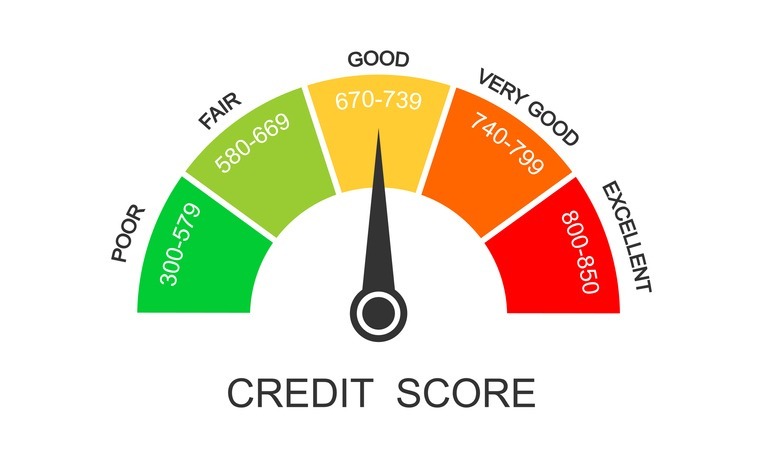
These factors will determine your credit score, which ranges between 300 and 850. Depending on your score, your credit can be considered poor, fair, good, very good and exceptional. Take a look at the breakdown:
- 800 and above: Exceptional
- 300–579: Poor
- 580–669: Fair
- 670–739: Good
- 740–799: Very Good
So where does that put most people? The average FICO score in the U.S. is 714, which lands in the good range. And a record 48.1% of consumers now sit at 750 or above, according to FICO’s Spring 2026 Score Credit Insights report.
If you’re below 670, you’re not alone, and you’re not stuck. The rest of this guide walks through exactly how to move up.
If you don’t have any reported activity, you’ll have no credit score. To creditors and lenders, that’s just as bad as having a poor credit score because they have no way of knowing how you’ll use credit and whether or not you’re likely to pay them back.
9 Benefits of Having Good Credit
So what are the benefits of having good credit? A strong credit history and a high credit score can open a lot of doors. A higher credit score could help…
1. Increase Your Chances of Loan Approval
This includes home mortgages, auto loans and personal loans. With a higher credit score, lenders see you as a lower risk, and more likely to make your payments on time.
It also means you can usually skip the co-signer. If your credit is thin or damaged, a lender may want someone to vouch for you and take on legal responsibility for the debt. Good credit lets you qualify on your own, so nobody else is on the hook.
2. Lower Interest Rates
Good credit can help you get approved for better interest rates on loans. Interest rates can have a huge impact on your monthly payments. Moving from “fair” to “very good” can save you tens of thousands of dollars over the life of a mortgage. The exact number depends on your loan size, term and current rates, so the CFPB’s rate explorer is the best way to see what it would mean for you.
Good credit also gives you leverage. When you prequalify with several lenders at once, they know they’re competing for you. That can mean a lower rate, waived fees or better terms than the first offer you were shown.
3. Increase Your Chance for Credit Card Approvals
A good credit score can help you qualify for credit cards. Ironically, these credit cards can help you continue to increase your score. Plus, you might be interested in credit cards to earn cash back or travel rewards. It’s worth understanding how credit card rewards work before you apply.
Bad credit can limit your options and even come with higher fees.
4. Increase Your Credit Limits
If you have a higher credit score, you can often get approved for higher credit limits. This, of course, allows you to spend more on your credit card, but it can also help lower your credit utilization rate, a key factor that makes up your credit.
For example, if you have a $5,000 credit card balance with a $10,000 limit, your credit utilization rate is 50%. Increase that limit to $20,000, and your credit utilization rate is now 25%. (For reference, 30% and below is generally considered a good rate.)
5. Increase Your Housing Options
Many landlords perform background and credit checks on potential renters. If they see you have a low credit score, they may worry you won’t make your rent payments on time. This, unfortunately, could lead to a higher deposit or even application denial. (Here’s what you need to know if this happens.)
6. Lower Your Insurance Rates
Some auto and home insurance companies use credit-based insurance scores to determine your premiums. These aren’t the same as your credit score, but they’re built partly from the same information. With car insurance costs climbing in recent years, a good credit score can help keep those rates down.
7. Lower Your Utility Deposits
Higher credit scores can often help you secure lower (or no) deposits when you go to set up utilities.
The same goes for your phone. Carriers run credit checks before they’ll finance a new device or waive a deposit on a plan, so good credit can be the difference between paying for a phone upfront and spreading it out at no extra cost.
8. Increase Your Job Opportunities
Although this isn’t super common, some employers run credit checks, especially if you work in financial or security-sensitive fields.
9. Increase Your Flexibility and Emergency Options
In case of an emergency, good credit can ensure you have the ability to borrow money to cover unexpected expenses, like an unexpected trip to the vet, a major car repair, home repairs caused by natural disasters and more.
If you haven’t already, consider building an emergency fund so you can avoid using too much credit in trying times.
How to Build and Maintain Good Credit
Before you fix anything, find out where you stand. You can pull your credit reports from all three bureaus for free at AnnualCreditReport.com, the only site federally authorized to provide them. Many banks and card issuers also show your score for free in their app. Checking your own credit is a soft inquiry, so it won’t ding your score.
When it comes to building and maintaining good credit, it’s important to look at the factors that make up your credit score. If you have a low or no credit score, take these six steps.
1. Make On-Time Payments
Missing payments for loans, credit cards, rent or utility bills can significantly lower your credit score.
Start here if you want to raise a low score: Work with utility providers, creditors, lenders and debt collectors to make debt-payoff plans. You can also build a budget to pay off debt.
Your credit will improve over time as you make payments, but just settling on a plan can make a big difference, too.
2. Keep Your Balances Low
Credit card companies want to know you’ll use your credit card to make purchases. (Retailers pay them a fee every time you swipe.) But they also know it’s harder to repay debt the more you carry. They look at credit utilization to see how much of your available credit you carry as debt at any given time.
If you have a low credit score, take a look at your credit utilization across all credit cards. Lenders generally like to see this number under 30%.
If you can’t reduce your spending, you can lower your utilization by raising your credit limit. Ask creditors for a higher limit if you’ve been using a card for a while. Or open a new card… but don’t use the extra credit!
Another strategy if you can reduce your spending? Look into side hustles that pay.
3. Keep Old Accounts Open When Possible
Lenders like to see you’ve got some experience using credit, so the older your credit history, the better.
Your credit history (or “credit age”) is measured based on the date you opened your oldest loan or credit account. You can boost your score by keeping old credit cards and lines of credit open, even if you cut up the cards and don’t want to spend on them anymore.
4. Mix Up Your Credit Types
Lenders want to see a mix of revolving credit and loans, so having a variety of credit types can bump your score up a little bit.
5. Avoid Opening Too Many New Accounts at Once
When you apply for a new credit card or loan, the lender checks your credit history through what’s called a “hard inquiry.” On your credit report, it shows that you applied for credit.
Lenders don’t want to see you applying for too much credit too often or all at once, because all that debt could be hard for you to repay. A good rule of thumb is to wait 3 to 6 months between credit applications.
6. Use Tools Like Secured Cards or Credit-Builder Loans
If you’re working to rebuild your credit, secured credit cards and credit-builder loans can help you boost your score. Both are designed for people with limited or damaged credit and allow you to create a positive payment history over time, which is essential for improving your credit profile.
Here’s how they work: You put money into the account up front, then build your score by using the card and paying it off on time. Because the deposit covers the risk, approval is far easier than it is for a standard card. Some options don’t require a credit check at all, which matters because hard inquiries can ding your score.
Want to compare your options? Take a look at the best apps to build credit and find one that fits.
Start Claiming the Benefits of Good Credit
Whether you’re seeking approval for credit or navigating non-financial realms like housing and employment, credit can determine the outcome.
Your credit score is more than a number. It’s a silent influencer shaping your financial opportunities.
Mastering your credit involves understanding and actively managing factors contributing to your credit score, transforming it into a tool to expand your access to resources.
If you want to explore tools to help build your credit and get rewarded along the way, get started with KashKick for free.
FAQs: Benefits of Having Good Credit
Why is having good credit important?
Having good credit is important because it makes it easier to get approved for loans, secure lower interest rates and qualify for better credit cards. It can also affect your ability to rent a home, get affordable insurance rates or avoid utility deposits.
Can bad credit really cost me money?
Yes, bad credit really can cost you money. A lower credit score usually means higher interest rates, which can cost you thousands over the life of a loan. Bad credit can also result in higher insurance premiums or require deposits on apartments and utilities.
How can I rebuild my credit if it’s low?
You can rebuild your credit by paying bills on time, lowering your balances, disputing errors on your credit report and using secured credit cards or credit-builder loans. These products help you establish a positive payment history, the No. 1 factor in your score.
How long does it take to build good credit?
How long it takes to build good credit depends on where you’re starting. If you have no credit history at all, you’ll usually need about 6 months of activity on an account before a FICO score can even be generated. Getting into the good range (670 or higher) typically takes longer, often 1 year or more of on-time payments and low balances. If you’re rebuilding after missed payments, expect it to take longer still. The good news? Payment history is the biggest factor in your score, so every on-time payment moves you forward.
What does an 800 credit score get you?
An 800 credit score gets you access to the best rates and terms lenders offer. At 800 and above you’re in FICO’s “exceptional” range, which usually means the lowest advertised interest rates, the highest credit limits and the widest choice of lenders. Here’s the thing worth knowing: You don’t need 800 to get great terms. Most lenders reserve their best pricing for scores around 740 and up, so the jump from 800 to 850 rarely changes what you’re offered.
Is it better to have good credit or money?
Asking whether it’s better to have good credit or money sets up a choice you don’t actually have to make. Cash covers what’s in front of you right now. Good credit lowers what you pay for the big things you can’t cover in cash, like a house or a car. Savings protect you in an emergency, and good credit gives you a backup if your savings run out. Most people are best served building both at the same time.
What’s considered a good credit score?
A good credit score typically falls between 670 and 739, while 740 and higher is considered very good or excellent.