
Textbooks are one of those college expenses nobody warns you about… until the bill shows up.
The average student spends $174 on new, printed textbooks for the year, according to the Education Data Initiative. One-quarter of students reported working extra hours to pay for books, and 65% said they skipped buying textbooks because they were too expensive.
Rather than skipping out on important course material, consider your options. From financial aid you may not know about to smart shopping strategies, and even ways to earn extra cash in college to cover the cost, here’s a practical guide on how to pay for textbooks without draining your bank account.
Key Takeaways
- The average student spends hundreds of dollars a year on textbooks and course materials, but you can dramatically cut that cost.
- Financial aid, scholarships and emergency grants can help cover textbook costs if you qualify.
- Buying used, renting or going digital can slash individual book prices by 50% or more.
- Free resources like your campus library and open educational resources (OER) can eliminate some costs entirely.
- Earning extra cash through apps like KashKick can help offset what you do have to spend.
How to Pay for Textbooks
Here are 12 practical strategies to help you cover, or cut, your textbook costs this semester.
1. Use Financial Aid and Scholarships First
Before you buy a single book, check what financial aid you have available.
Many students don’t realize their existing financial aid can cover more than tuition. Federal student loans, Pell Grants and institutional grants can often be applied to textbooks and course materials. If you have leftover aid after tuition and housing, that money can go toward books.
You can also look for scholarships specifically for textbooks. Sites like Fastweb, Scholarships.com and your school’s financial aid office are great starting points. Some scholarships are small ($250 to $500) but that’s a semester’s worth of books for many students.
What to know:
- Check with your financial aid office about applying aid toward course materials
- Look for textbook-specific scholarships through your school, state and national databases
- Ask about emergency funds (more on that below)
2. Apply for an Emergency Textbook Grant
Most colleges have emergency funds or book grant programs, and most students never use them.
These programs exist specifically to help students who can’t afford course materials. The amounts vary, but many schools offer $50 to $300 per semester. Some also have book lending programs where you can borrow physical copies for the semester at no cost.
Visit your school’s financial aid office or student services department and ask directly: “Do you have any emergency funds or textbook assistance programs?”
It takes five minutes to ask. It could save you hundreds.
What to know:
- Available at most public colleges and universities
- Often first-come, first-served, so apply early
- Some schools also offer book vouchers at the campus bookstore
3. Rent Your Textbooks Instead of Buying
Here’s a simple truth: You probably won’t open that $180 biology textbook again after finals.
Renting makes a lot more financial sense for most courses. On average, renting textbooks can save you 50% compared to buying a new, printed textbook.
You can rent through your campus bookstore or through online platforms. Some popular options include Chegg and VitalSource. Just make sure to return them on time as late fees can wipe out your savings fast.
What to know:
- Save up to 50% vs. buying new
- Available through campus bookstores and online
- Best for courses where you won’t need the book long-term
4. Buy Used Textbooks
If you need to own the book, buy used.
Used print books are often 20–50% cheaper than new editions. You can find used copies through your campus bookstore, online platforms like ThriftBooks and AbeBooks, or by connecting with students who took the same course last semester.
Facebook groups for your school, campus bulletin boards and student Discord servers are goldmines for cheap textbooks. A student who got a B+ in Organic Chemistry last spring would love to sell you their copy for $40 instead of $150.
What to know:
- 20–50% cheaper than new
- Check campus groups, online marketplaces and used bookstores
- Look for international editions, which are often identical content at a fraction of the price
5. Go Digital With E-Textbooks
E-textbooks are almost always cheaper than print, and you don’t have to lug them around campus.
E-textbooks range from $40 to $150 depending on licensing and features. Subscription platforms like Cengage Unlimited and Pearson+ give you access to entire catalogs of digital textbooks for a flat monthly or semester fee, which can be a great deal if you have multiple courses using the same publisher’s materials.
Just be aware: Some digital textbooks come with access codes that expire, meaning you can’t sell or transfer them.
What to know:
- Generally cheaper than new print editions
- Searchable, portable and often interactive
- Watch out for access codes that expire after one semester
6. Use Your Campus Library
Your tuition dollars are already paying for this one, so take advantage of it.
Most campus libraries carry copies of required textbooks on reserve. You can check them out for a few hours at a time, which is usually enough to complete assignments or study for an exam.
Libraries also often provide access to digital databases that include textbooks and academic materials at no additional cost. Ask a librarian which databases your school subscribes to. You might be surprised what’s available for free.
What to know:
- Completely free with your student ID
- Reserve copies available for most required texts
- Digital databases may include full textbook access
7. Find Free Open Educational Resources (OER)
Some textbooks are legally completely free.
The percentage of college faculty using free open educational resources grew from 5% in 2015–2016 to 22% in 2021–2022, which means there’s a decent chance one of your professors is already using them. If not, it’s worth checking whether a free OER version of your textbook exists.
OpenStax is one of the best-known sources. It offers free, peer-reviewed textbooks for a wide range of introductory college courses, from biology to economics to statistics. Project Gutenberg is great for literature and older works.
Ask your professor if an OER version is available before you pay full price for anything.
What to know:
- Completely free, peer-reviewed content
- Best for introductory courses in common subjects
- OpenStax is a great starting point for STEM, business and social sciences
8. Compare Prices Before You Buy
Don’t buy the first copy you find. Prices vary wildly across platforms.
Take five minutes to search the same ISBN across multiple sites before committing. Tools like SlugBooks or BigWords automatically compare prices across rental and purchase platforms so you can find the cheapest option without doing the research yourself.
The campus bookstore is almost always the most expensive option. It’s convenient, but that convenience comes at a premium.
What to know:
- Price comparison tools can find you the best deal in seconds
- Same ISBN, different prices across platforms, so always shop around
- Don’t forget to factor in shipping time if ordering online
9. Check if Your Professor Has a Copy You Can Borrow
This one feels awkward to ask, but it works more often than you’d think.
Many professors have desk copies of the textbooks they assign, provided by publishers. They may be willing to lend you a copy for a few days, especially if you explain your situation. The worst they can say is no.
You can also ask if an older edition of the textbook is acceptable. Publishers release new editions every 2–3 years, often with minor updates that do not significantly change the content. Older editions are usually available for a fraction of the cost, sometimes just a few dollars online.
What to know:
- Older editions are often nearly identical to new ones
- Professors may have loanable desk copies
- Always ask before assuming you need the brand-new edition
10. Split the Cost With a Classmate
You don’t always have to buy your own copy.
If you have a friend or classmate in the same course, splitting the cost of a textbook makes sense, especially for classes where you use it occasionally rather than daily. One person buys it, you split the price, and you coordinate who has it when.
This works particularly well for upper-division courses where class sizes are small and assignments are more scheduled and predictable. Just make sure you’re on the same page about access before the first assignment is due.
What to know:
- Cut your cost in half
- Works best in smaller courses with predictable reading schedules
- Set clear expectations upfront about who gets it when
11. Sell Back Textbooks After the Semester
Offset next semester’s costs by selling your current books when you’re done.
Campus buyback programs, online platforms like BookScouter and student Facebook groups all offer ways to resell textbooks after finals. You won’t recoup the full purchase price, but getting $30 to $60 back per book adds up.
Just don’t wait too long as demand drops sharply once the semester ends and the new edition arrives.
What to know:
- Recoup part of your initial cost
- BookScouter compares buyback prices across platforms
- Sell early for the best prices
12. Earn Extra Cash to Cover Textbook Costs
Sometimes you’ve done everything right and still need more money. That’s where earning a little extra on the side comes in.
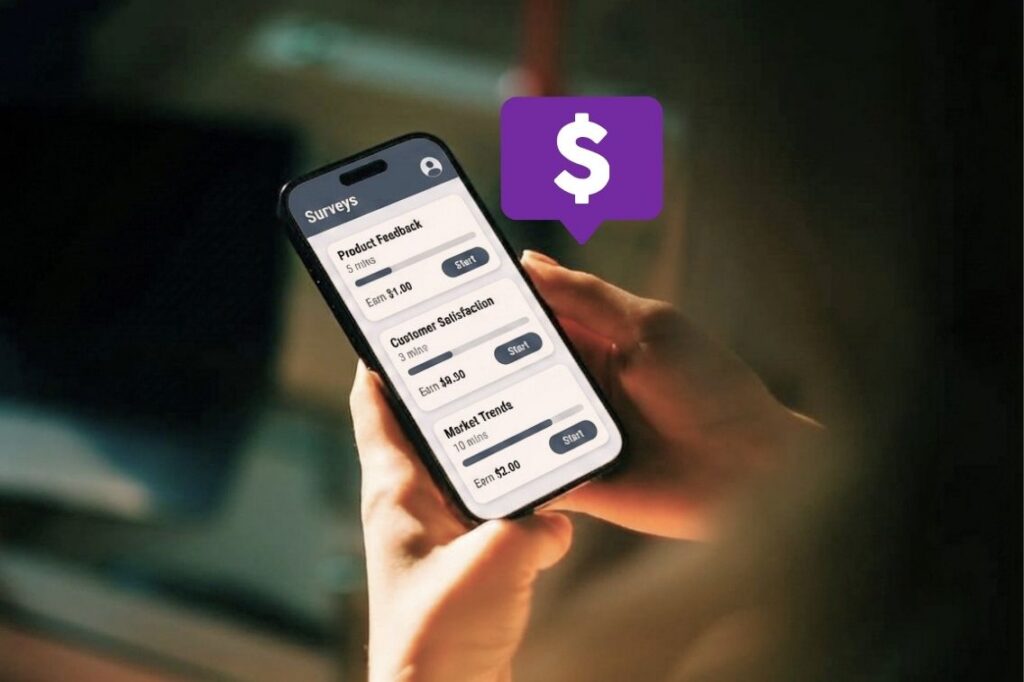
KashKick is a free rewards platform that pays you to play games, take surveys and try out new apps and deals. You earn kash ($1 Kash = $1 USD) for completing tasks, and once you hit $10, you can cash out directly through PayPal or Venmo. Most payouts process in just 1–3 days.
It’s not going to cover a $400 textbook in an afternoon. But consistently using KashKick in your free time (during class breaks, before bed or while watching TV) can add up to real money over a semester. One KashKick member, Kayla, earned over $1,200 mostly by playing games and earning KashBack when shopping online.
Before next semester’s book bill hits, it’s worth having a few extra dollars set aside. KashKick makes that easy.
What to know:
- Free to join, no minimum hours or tasks required
- Earn cash for playing games, taking surveys and claiming deals
- Low $10 payout minimum, processed in 1–3 days via PayPal or Venmo
- Available on iOS and Android
👉 Sign up for KashKick for free and start earning toward next semester’s books.
How to Stretch Your Textbook Budget Even Further
A few extra tips to keep costs as low as possible:
- Wait before buying. Check the syllabus and ask around during the first week of class. Some assigned books are barely used, so you may not need them at all.
- Look for free PDFs carefully. Some older textbooks are in the public domain and available as free PDFs through legitimate sources like Google Scholar or your library databases. Be cautious about piracy sites; they’re illegal and often loaded with malware.
- Negotiate with the bookstore. Some campus bookstores will price-match if you show them a cheaper listing elsewhere.
- Get the ISBN from the syllabus. Don’t rely on the bookstore’s listing. Look up the exact ISBN to find the cheapest source across platforms.
Stop Letting Textbooks Break Your Budget
Textbooks are a real financial burden, but you have more options than you might think.
Start with financial aid and free resources. Rent or buy used when you can. Compare prices before you commit to anything. And if you need a little extra cushion, KashKick is an easy, low-effort way to earn cash on the side.
Every dollar you save on textbooks is a dollar that stays in your pocket. And speaking of saving, check out more ways to save money in college.
👉 Sign up for KashKick today and start earning real cash in your spare time.
FAQs: How to Pay for Textbooks
What is the cheapest way to get college textbooks?
The cheapest options are open educational resources (OER) through sites like OpenStax, which are completely free. After that, renting through platforms like Chegg or buying used copies from previous students will typically give you the biggest savings—often 50% or more off the new price.
Can financial aid cover textbook costs?
Yes. Federal student loans, Pell Grants and institutional grants can often be applied toward textbooks and supplies. If your aid covers your tuition with funds remaining, those can go toward course materials. Talk to your financial aid office, and ask specifically about emergency textbook funds or book voucher programs.
Is it worth renting textbooks?
For most courses, yes. Renting saves you an average of 50% compared to buying new. The only time buying makes more sense is if you plan to use the book as a long-term reference, like in your major field of study.
How can I make money to pay for textbooks?
Earning extra cash through apps like KashKick is a simple, flexible option. You can earn real money by playing games, taking surveys and claiming deals, all from your phone. Reach $10 and you can cash out through PayPal or Venmo in 1–3 days. It’s a solid way to build up a textbook fund before the semester starts.
How much do college students spend on textbooks per year?
Students at four-year colleges spend an average of $1,290 per year on books and supplies in 2024–25, according to BestColleges. The amount varies by major. STEM students typically spend more, while humanities majors generally spend less.